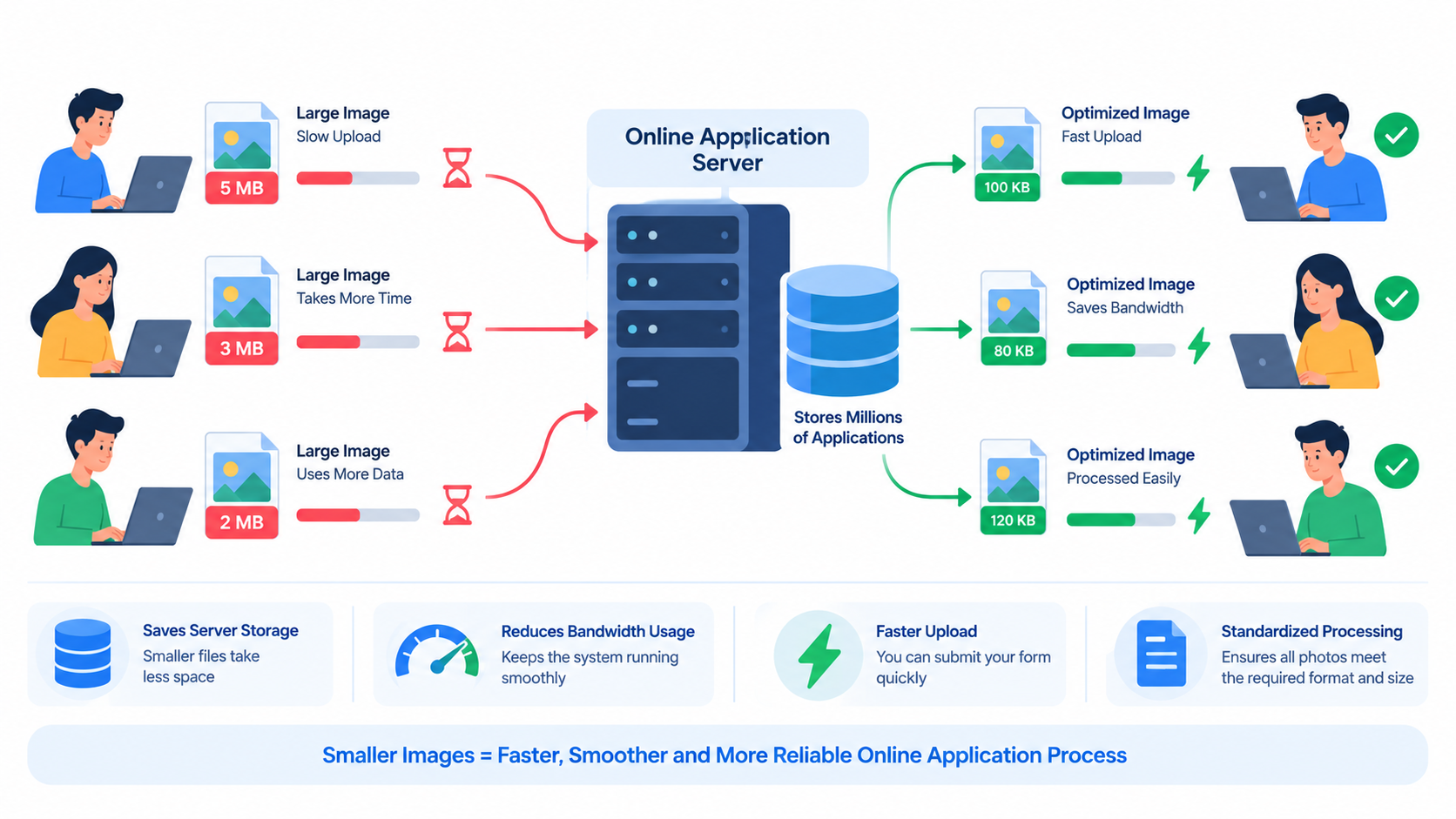
 🎯 Target KB Compression
How to Reduce Image Size in KB for Online Forms: Complete Guide
Learn how to reduce image size in KB for online forms. Compress JPG, PNG and photos to 20KB, 50KB, 100KB or 200KB without losing quality.
Learn how to compress, resize, convert, optimize and manage images with practical guides, tutorials, tips and updates from ReducerImage.
⭐ FEATURED GUIDE
Learn how to reduce image size in KB for online forms. Compress JPG, PNG and photos to 20KB, 50KB, 100KB or 200KB without losing quality.
🎯 Target KB Compression
Learn how to reduce image size in KB for online forms. Compress JPG, PNG and photos to 20KB, 50KB, 100KB or 200KB without losing quality.
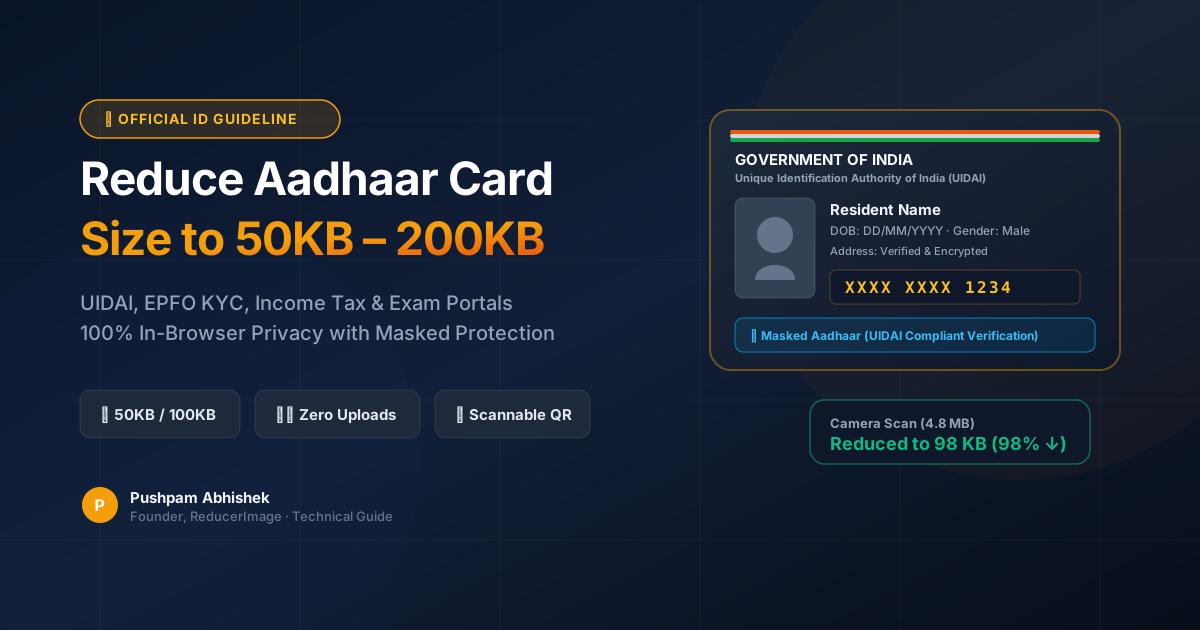 🎯 Target KB Compression
Learn how to reduce Aadhaar card size in KB online safely. Step-by-step guide to compress Aadhaar JPG, PNG, or PDF to 50KB, 100KB, or 200KB for EPFO, UIDAI, and exam portals without losing clarity.
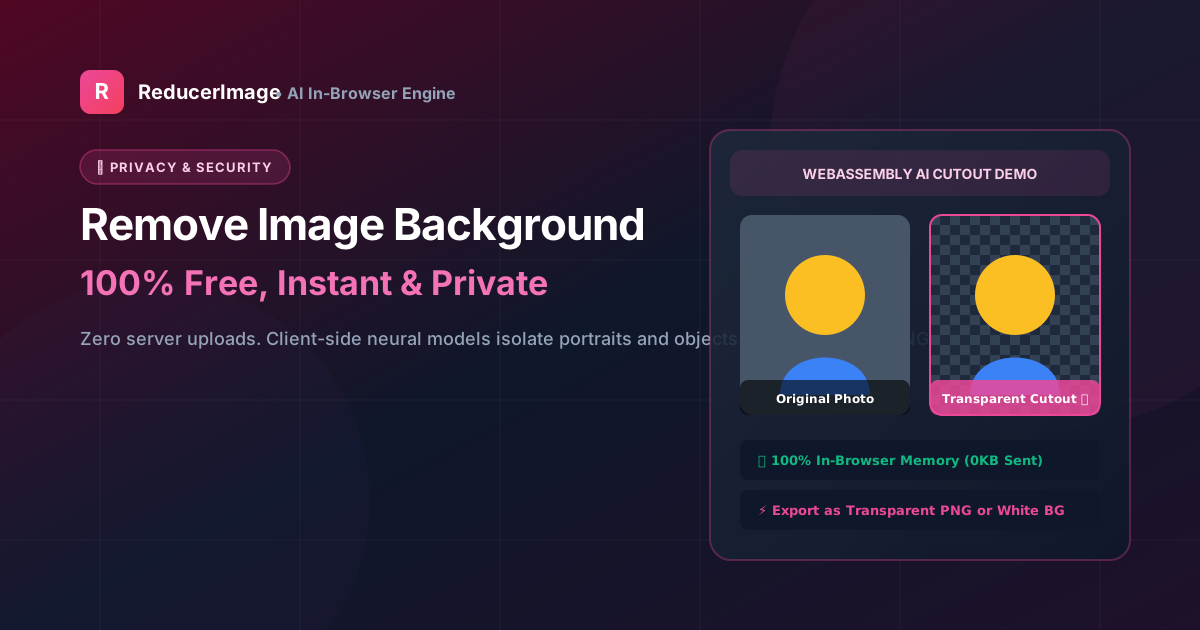 🔒 Privacy & Security
Step-by-step guide to removing backgrounds from portraits, product photos, and ID cards with instant in-browser AI segmentation.
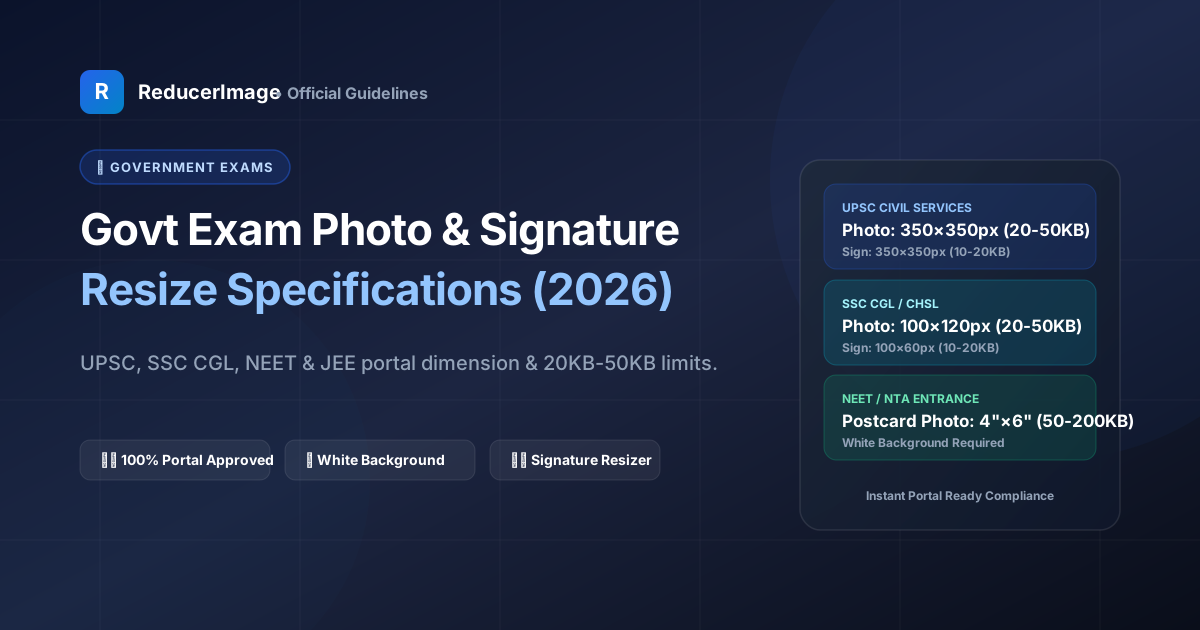 📋 Government Exams
Official dimensional requirements, DPI rules, file size limits, and formatting guidelines for UPSC, SSC, NEET, and Banking application forms.
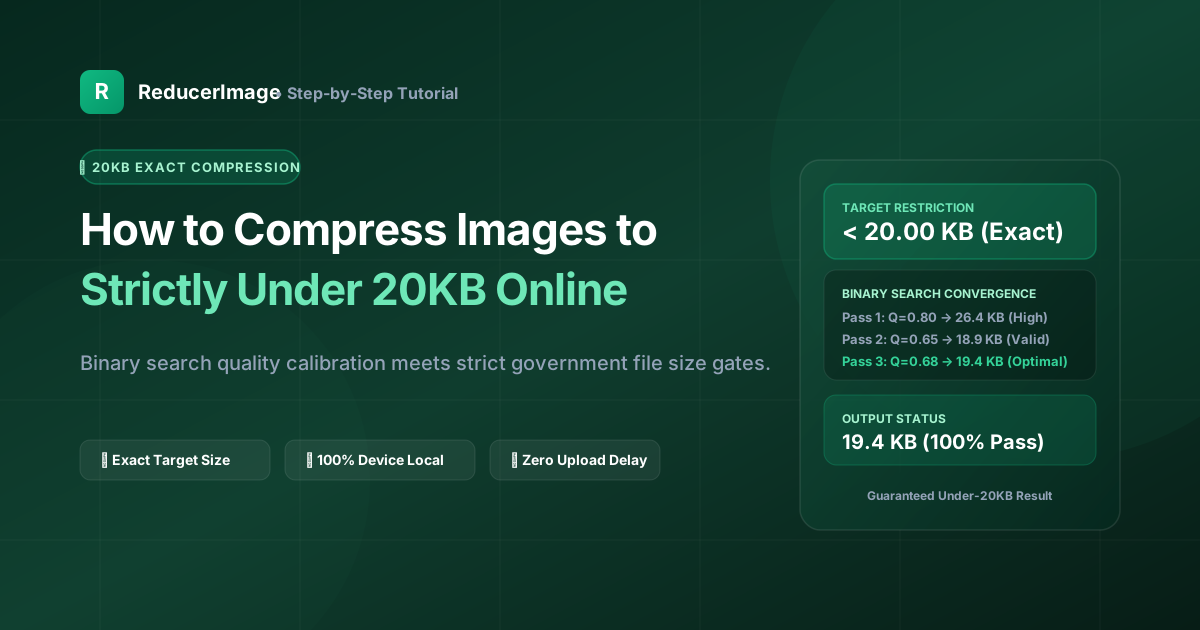 🎯 Target KB Compression
Learn how binary search optimization achieves exact 15KB–19.9KB file sizes without turning text or signatures blurry.
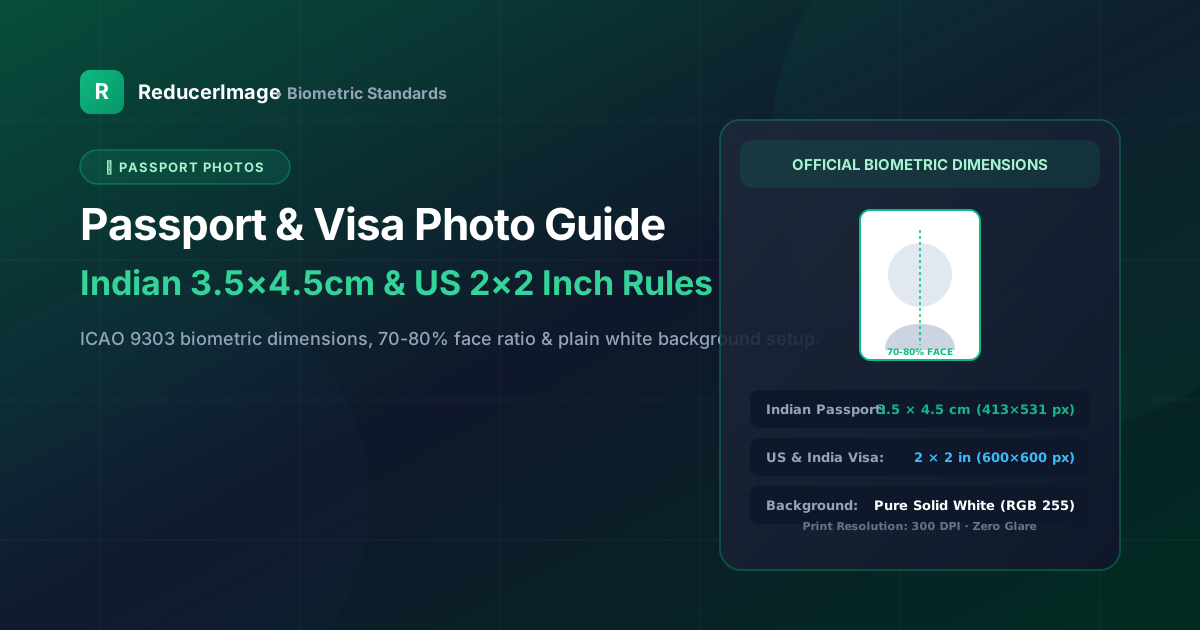 📸 Passport Photos
Everything you need to know about official passport and visa photo rules: 3.5x4.5cm vs 2x2 inch, 80% face coverage, and plain backgrounds.
Get practical tutorials on WebP, AVIF, Core Web Vitals, and government exam photo specifications delivered to your inbox.
Answers to common questions about image compression, formats, and tools.